
Balance visual quality, comfort, fit, battery needs, materials, and privacy so the technology belongs in the experience.

ZIA VISION / THE PRODUCT THESIS
Your devices.
Beyond the screen.
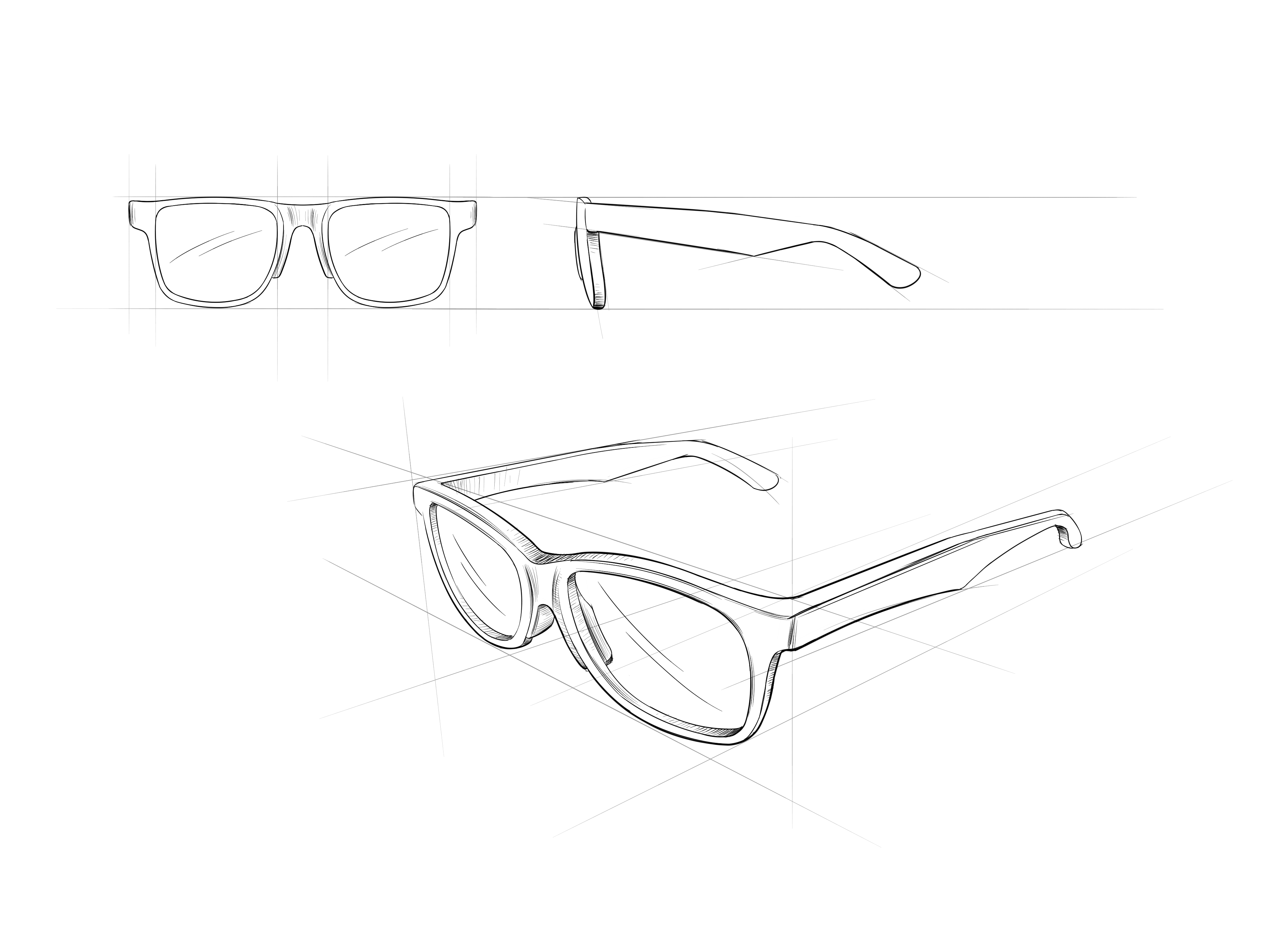
ZIA Vision is a long-term product vision for lightweight glasses that bring digital information, spatial interfaces, and AI assistance into the wearer’s view. The product goal is a more natural interface between people, their existing devices, and the world around them.
See how the platform connects ↓01 / VISION PRODUCT
Computing should
move with people.
The product idea starts with everyday eyewear, not a screen strapped to the face.
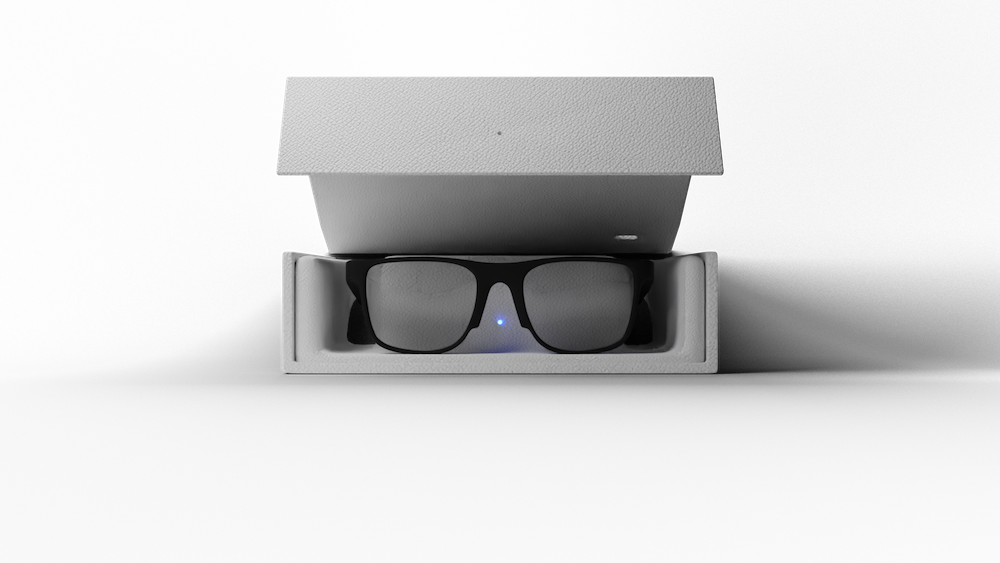
ZIA’s published Vision story describes glasses designed to connect wirelessly to compatible devices, show information in the wearer’s view, and support continuity from a desk into the wider world. Its design priorities include optics, sensors, connectivity, power, materials, fit, and comfort. These are product goals that require engineering, user testing, and manufacturing validation.
The concept separates the glasses interface from heavier compute using compatible external devices and the proposed XPU direction.
AI can help make spatial information useful, but the software, workload, latency, privacy, and service model still need definition and proof.

02 / FROM IDEA TO MANUFACTURABLE PRODUCT
Prove the optics.
Then earn the next phase.
The manufacturing thesis centers on waveguide wafers and display projector modules. A first milestone is a repeatable pilot process that defines the substrate, optical patterning, coatings, projector assembly, alignment, and testing. Image quality, yield, unit cost, supply chain, intellectual property, and customer demand should be demonstrated before a full production line is funded.
Make the experience wearable.
Set measurable targets for image quality, field of view, weight, comfort, power, thermal behavior, privacy, and compatibility.
Prove a process.
Prototype the waveguide and projector module, record process steps, measure yield, and validate the quality-control plan.
Prove the buyer.
Identify users, use cases, device partners, willingness to pay, and commercial evidence before scaling manufacturing.
03 / HOW VISION CONNECTS TO COMPUTE + ENERGY
One owner’s initiatives.
Distinct business cases.
The shared thesis is disciplined infrastructure: prove the product, provide dependable compute, and plan power around the real operating requirements.
XR + AI-assisted smart vision
Wearable glasses and software are the long-term product. Product architecture, customers, IP, and manufacturing milestones need their own evidence.
AI compute capacity
A proposed 64-server AI facility is a separate infrastructure business. It could serve AI workloads if demand, customer requirements, networking, and economics are secured. It is not yet represented as powering Vision.
Bitcoin mining
Mining is a separate operating case that may be evaluated as a flexible load and a potential early asset. It does not guarantee cash flow, liquidity, or financing for ZIA.
Wind first; firm service first
Wind is a proposed energy initiative. Variable generation must be matched with utility service, contracts, and any justified storage or firming. Annual energy matching is not hourly reliability.
INVESTOR THROUGH-LINEVision defines the product ambition. The manufacturing program aims to build the optics. AI and mining are separate compute infrastructure opportunities. Wind may support the campus energy strategy. Each should have a distinct scope, budget, customer case, entity, and stage gate; shared ownership does not combine their risks or funding eligibility.
04 / EVIDENCE BEFORE SCALE
What must be true
before investment grows?
Working prototype, compatible device plan, user feedback, quality targets, and a defensible IP position.
Defined eligible output, process map, equipment scope, vendor quotes, pilot yield, site, water, utilities, and program fit.
Utility feasibility, equipment selection, customer demand, operating model, real delivered power cost, and independent project economics.
Written uses of funds, entity and ownership records, project-specific budgets, terms, and downside cases.
Sources: ZIA Vision · ZIA product story · ZIA technical targets. Content summarized from ZIA’s published product materials. The manufacturing, AI, mining, and wind initiatives are working proposals.
Vision is the destination.
Feasibility is the next step.
Review the proposed data center, mining, regional service model, and power assumptions.