
A measured path to
mining + AI infrastructure
Executive summary
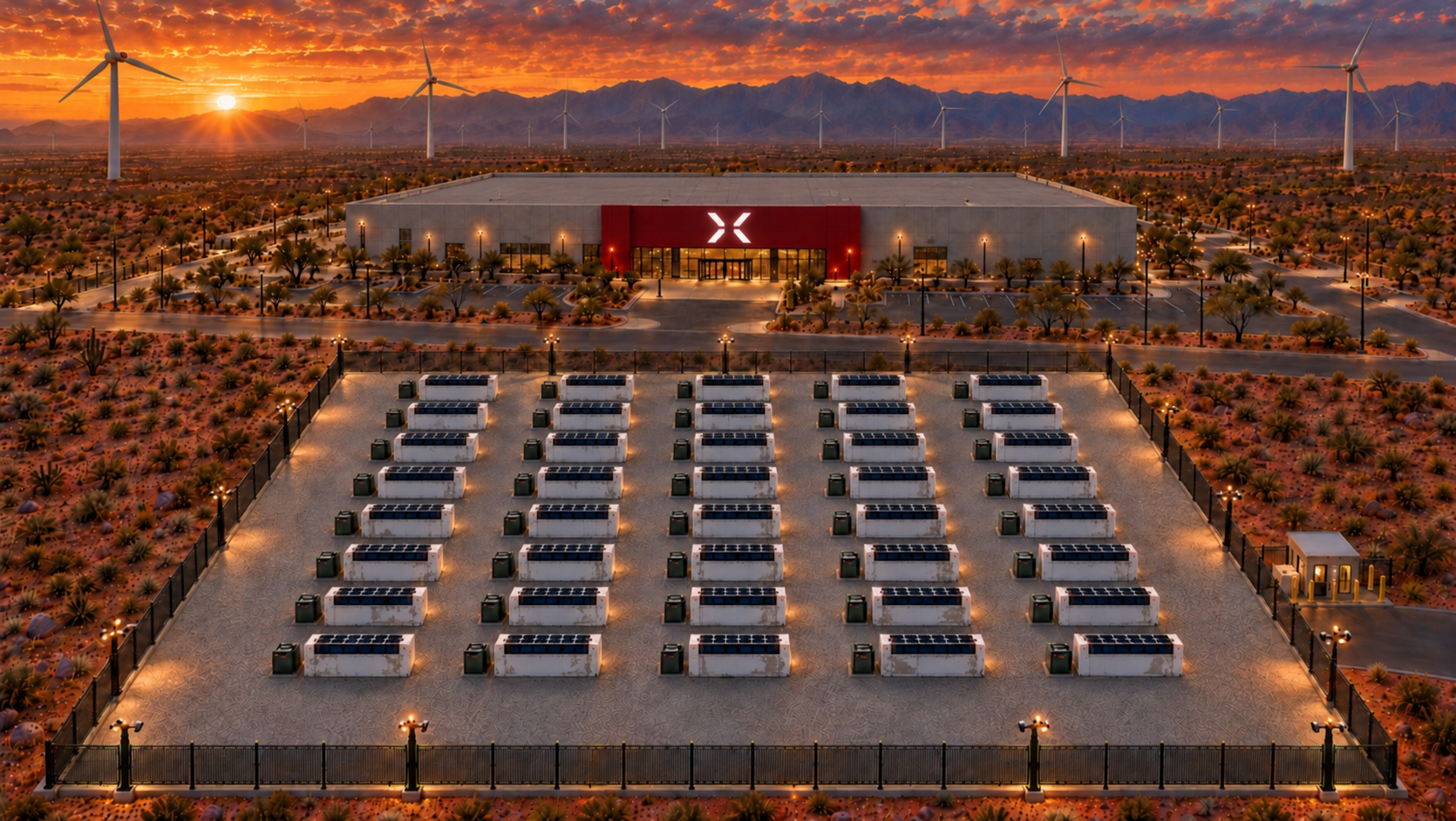
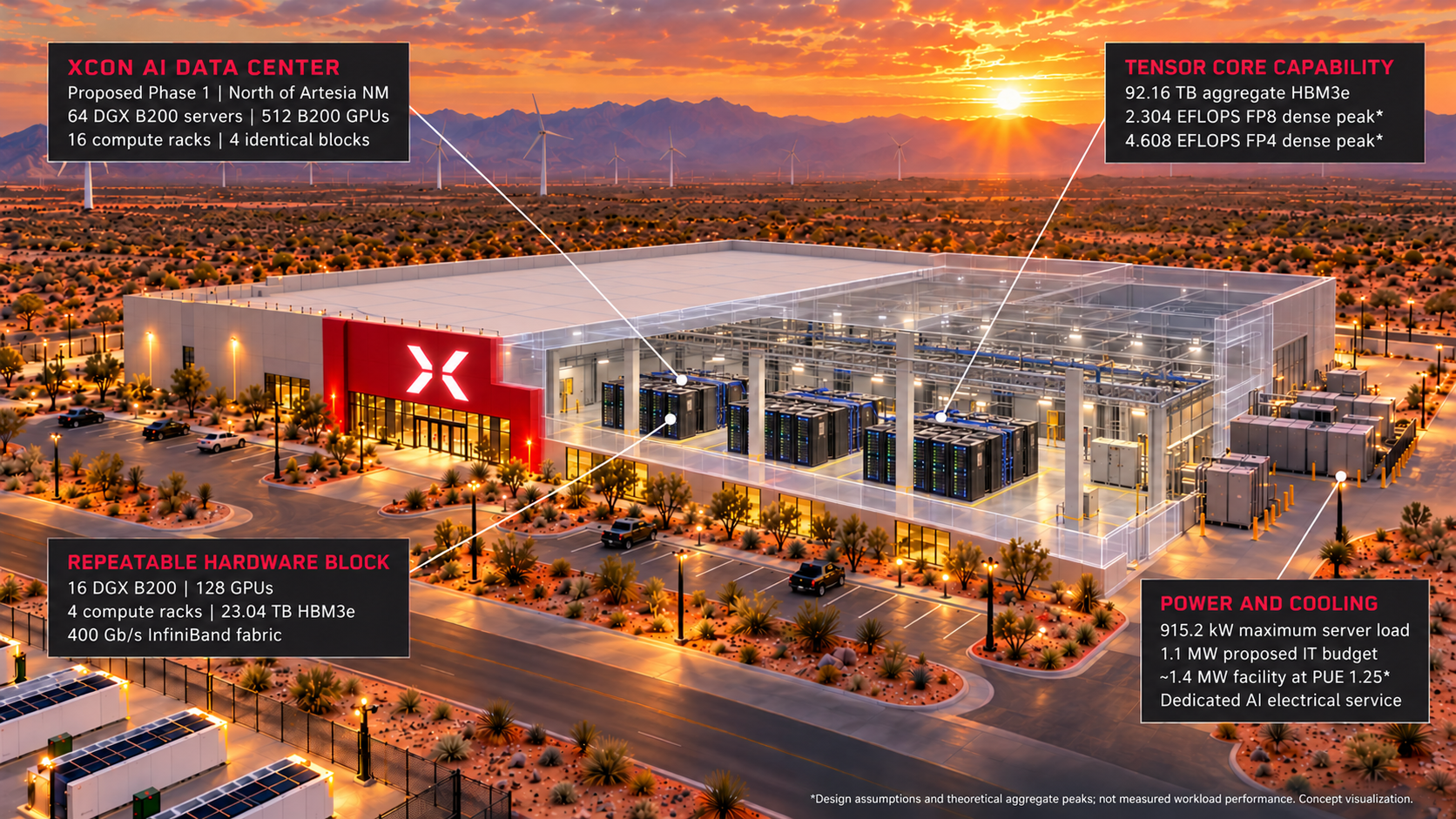
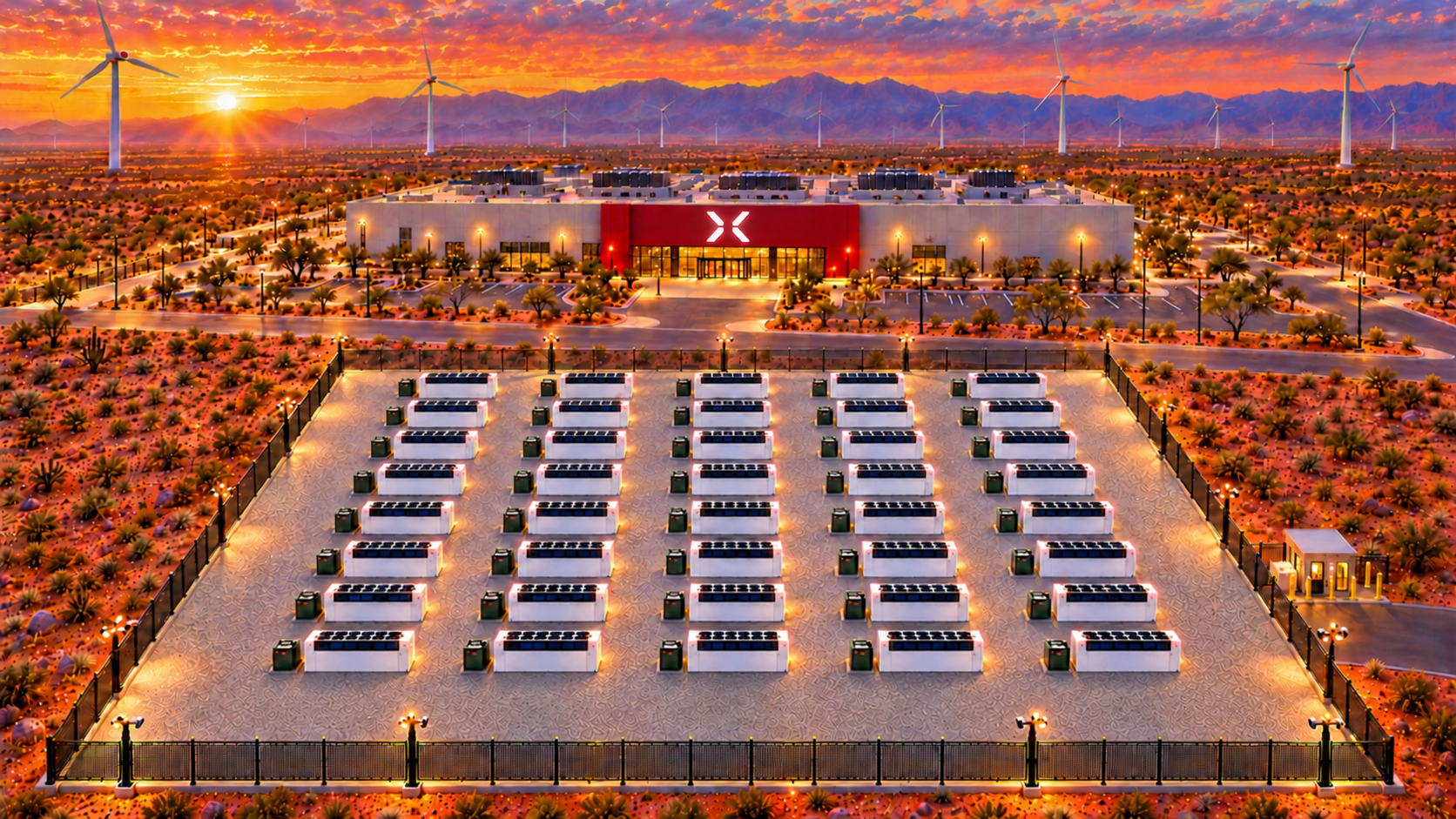
XCON proposes a modular campus north of Artesia, New Mexico, with two separate computing businesses: 40 BITMAIN ANTSPACE MD5 mining installations and a 64-server NVIDIA DGX B200 AI facility. The planning basis combines approximately 44 MW for mining equipment and dry coolers with about 1.4 MW for the AI facility, for an estimated campus load of 45.4 MW before shared ancillary loads and upstream losses. This is a development concept, not an announcement of land acquisition, utility service, equipment orders, customer contracts, or operating facilities.
Regional power case
EIA’s 2025 industrial average was 5.85¢/kWh in New Mexico compared with 8.51¢/kWh nationally. That historical average is roughly 31% lower and supports further investigation, but it does not establish a price for XCON. Central Valley Electric publishes a large-commercial rate category for loads above 1,001 kW, and its fuel adjustment changes monthly. The parcel’s location determines the serving utility and the applicable service conditions. NMMINE.COM describes regional site and power review services; it is a separate operation, and its materials do not establish a relationship or supply commitment to XCON.
A flexible compute model
AI workloads value predictable uptime and service quality; Bitcoin mining can be designed to curtail quickly when grid conditions tighten or prices rise. A campus that separates these operating profiles could place firm, high-value compute alongside controllable mining load. This flexibility is a design objective that would require market rules, equipment controls, customer agreements, and utility coordination; it is not an assumed revenue stream.
Separate operating profiles
AI workloads require high-density compute, fabric networking, storage, and service commitments. The proposed mining load can potentially be made interruptible, subject to utility terms and miner controls. Separate metering, electrical protection, reliability planning, and operating models preserve the distinct priorities of each business. A dispatch strategy could curtail mining while protecting AI commitments, but this is a design objective, not an assumed market arrangement or revenue stream.
Engineering and stewardship
The mining basis is 40 MD5 units, each listed at 1,000 kW container load plus 100 kW dry-tower load, totaling 44 MW. Forty 2,600 kVA transformers provide 104 MVA of aggregate nameplate capacity, not 104 MW of utility service. The AI basis is 64 DGX B200 servers in four planned blocks, at 915.2 kW maximum server load and about 1.4 MW facility demand using the assumed PUE. Ratings, cooling, voltage, elevation derating, redundancy, and final equipment configuration require engineering and vendor confirmation. Site diligence must address water, heat, dust, soils, drainage, noise, access, environmental constraints, and community needs.
From thesis to feasibility
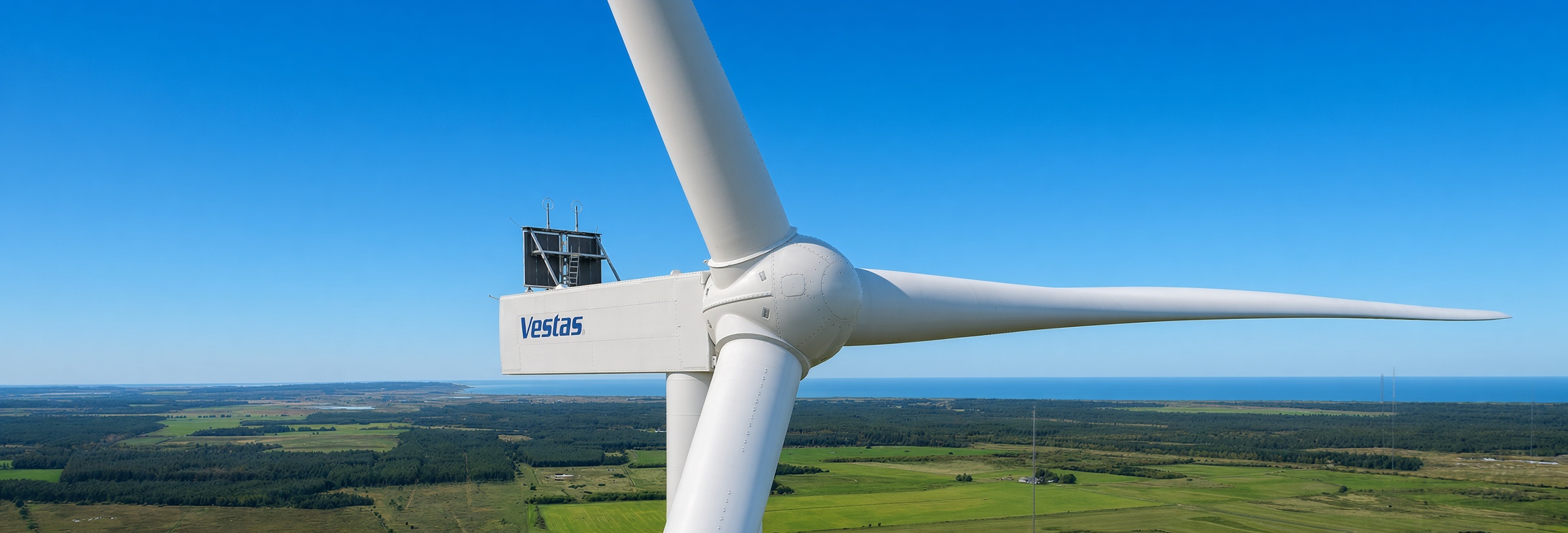
The next gates are parcel control, utility feasibility and delivered-cost studies, interconnection and upgrade scope, diverse fiber validation, environmental and water screening, and customer demand. Commission one AI block and a limited mining tranche against measured acceptance criteria before repeating the design. Expand only when power delivery and contracted demand support the next stage. Any wind development requires its own resource, land, environmental, and interconnection studies; the turbine imagery does not demonstrate a continuous power supply.